

Churchfield Road Acton rubbish clearance guide for residents
Posted on 26/07/2026
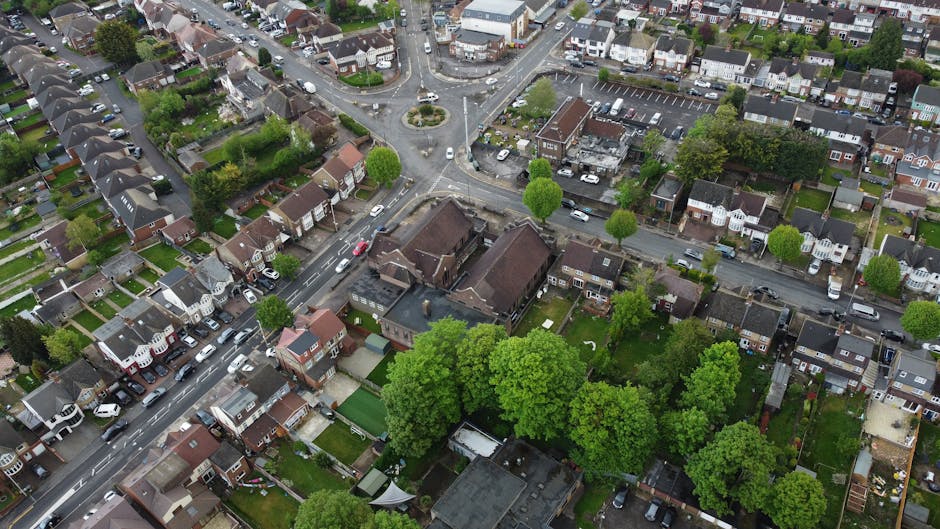
If you live on or near Churchfield Road, rubbish clearance has a way of sneaking up on you. One week it is a broken wardrobe, the next it is old boxes, garden cuttings, or the aftermath of a flat move that went on a bit longer than planned. This Churchfield Road Acton rubbish clearance guide for residents is here to make the whole process feel less chaotic and much more manageable. You will find straightforward advice on what to clear, how to clear it, what to watch out for, and when a professional collection makes more sense than another trip to the tip. Simple enough, really - but there are a few small details that save time, money, and stress.
Before we dive in, one quick thought: rubbish clearance sounds dull until you are stood in a hallway balancing a lamp, two bin bags, and a half-dismantled shelf. Then it becomes urgent. Let's make it easier.
Why Churchfield Road Acton rubbish clearance guide for residents Matters
Churchfield Road sits in a busy part of Acton where homes, flats, shops, and through-traffic all create a steady stream of everyday waste. That matters because rubbish does not just disappear by magic. In a place with shared entrances, narrow pavements, basement flats, and parking that can be a bit tight on certain days, poor rubbish handling becomes visible very quickly.
A good clearance plan helps residents avoid blocked hallways, unpleasant smells, fly-tipping headaches, and awkward disputes with neighbours or landlords. It also helps when life is moving quickly - a renovation, a tenancy change, a house sale, a new baby, an elderly relative moving, or a garden tidy-up after a long weekend. In other words, the need is not rare. It is just part of real life in London.
There is also a bigger point. Clear, responsible rubbish clearance supports a tidier street and a better local environment. If you care about how the neighbourhood feels when you step outside in the morning, that matters too. You notice the difference immediately: fewer bags left out too early, fewer bulky items hanging around for days, less that slightly stale rubbish smell on a warm afternoon. Not glamorous, but very real.
For residents who want a wider view of local life in the area, it can also help to understand the neighbourhood context through pieces like this overview of Acton and a local's perspective on living here. The practical side of rubbish clearance makes more sense when you see how people actually live, move, and reuse space around Acton.
How Churchfield Road Acton rubbish clearance guide for residents Works
At a basic level, rubbish clearance works by identifying what needs removing, separating it sensibly, and arranging collection or disposal in a way that is lawful and efficient. The trick is not the lifting. The trick is the planning.
For most households, the process starts with a quick sort. Keep, donate, recycle, and dispose. That sounds almost too simple, but it prevents you from paying to remove things you could keep, or throwing away items that still have value. A set of shelves, a usable chair, clean cardboard, old toys, and small electrical items all need slightly different handling. If you just pile everything into one corner, the task gets bigger in your head very fast.
A typical rubbish clearance visit may include:
- household junk and bagged waste
- bulky furniture
- loft clutter
- garage or basement clear-outs
- garden waste
- light builder's waste after minor works
In some situations, residents need a full property clearance, especially after a tenancy ends, a renovation wraps up, or a long-overlooked storage space gets opened for the first time in years. In those cases, it helps to think beyond one-off bin bags and look at broader options such as house clearance support or even loft clearance if the clutter has quietly multiplied upstairs.
Collection itself is usually straightforward. The team arrives, checks access, lifts items out, loads them securely, and leaves the space swept where possible. The practical part is easy to underestimate. In real homes, awkward stairwells, parked cars, and shared entrances matter. One badly angled wardrobe can add 20 minutes. That is just the truth of it.
Key Benefits and Practical Advantages
There is more to rubbish clearance than simply getting rid of stuff. Done properly, it can make a home feel larger, calmer, and far more usable. It also removes the low-level background stress that builds up when clutter is always there, just waiting for you to deal with it.
Here are the most useful benefits for Churchfield Road residents:
- Faster reclaiming of space - A cleared room is immediately useful again, whether it becomes a bedroom, office, or storage area.
- Less lifting and fewer risks - Heavy or awkward items are moved more safely when handled by people used to the work.
- Better presentation for moves or sales - A tidy property generally feels easier to live in and easier to show.
- More sensible sorting - Reusable, recyclable, and disposable items can be separated instead of mixed together.
- Less disruption to the street - Prompt clearance reduces the chance of mess lingering outside.
It can also be reassuring from a trust point of view. You know what is leaving the property, and you know it is being handled in a controlled way. That sounds obvious, but plenty of people have had the "I'll deal with it later" plan backfire on them. Later tends to arrive with more bags.
Expert summary: the best rubbish clearance is not the fastest one on paper. It is the one that clears the space safely, handles mixed waste responsibly, and fits the realities of your home, your timing, and your budget.
Who This Is For and When It Makes Sense
This guide is useful for a wide mix of residents, and that is exactly why it matters. Churchfield Road has a blend of flat-sharers, families, long-term homeowners, landlords, and people moving in and out at different points of life. Their rubbish problems are not identical, but they rhyme.
You will likely benefit from a proper clearance plan if you are:
- moving house and facing a last-minute pile of unwanted items
- clearing a rental property between tenancies
- refreshing a flat after years of storage buildup
- dealing with bulky furniture that will not fit in the car
- emptying a loft, shed, or garage
- tidying up after a small renovation or decorating job
- helping a relative downsize
It also makes sense when the job is awkward rather than huge. That is the sort of thing people often delay. A few broken chairs, a mattress, some old suitcases, a bit of scrap wood - not enough to justify a major project, but enough to annoy you every time you walk past them. Why keep living around them?
If your clear-out is connected to a move or a property upgrade, you may also find it helpful to read about buying houses in Acton or property investment in Acton. Both give useful context for why speedy, tidy clearance can make such a difference around property turnover.
Step-by-Step Guidance
If you want the job to go smoothly, break it into manageable steps. This is where most people save themselves time. Not by working harder, but by deciding what kind of waste they actually have before they start moving it around.
- Walk through the property slowly. Make a list of items by room. Be honest about what is broken, what is recyclable, and what could still be used.
- Separate special items. Keep aside anything that may need particular handling, such as electricals, paint tins, sharp materials, or anything damp or mouldy.
- Measure bulky pieces if access looks tight. A quick check of stair width or hallway bends can prevent a real headache later.
- Decide what must go first. If you need the hallway or bedroom cleared urgently, prioritise that area.
- Choose your clearance method. Some jobs suit a small collection, others need a full-service clearance, especially if there is a mix of furniture and general rubbish.
- Prepare access. Move cars if needed, unlock gates, and let neighbours know if the loading area might be busy.
- Confirm the scope clearly. The more exact you are about what needs removing, the easier it is to avoid delays.
- Check the finish. After clearance, do a final sweep for hidden drawers, items behind doors, or forgotten loft boxes. You would be surprised how often one old printer slips through the net.
A neat little habit helps here: use three piles or labels - keep, clear, and decide later. That "decide later" pile is useful, but only if you really come back to it. Otherwise it becomes a memory box for clutter. We have all seen that happen.
Expert Tips for Better Results
There are a few simple moves that make a rubbish clearance far smoother in practice. None of them are dramatic. They just prevent avoidable friction.
Start with the biggest items. Large pieces block movement and make the room feel more cramped than it is. Once the bulky items go, the rest of the job looks smaller straight away.
Keep useful items visible. If something might be donated, sold, or reused, put it in a separate corner. The last thing you want is to accidentally send a perfectly decent table away with the broken stools.
Be realistic about time. Small clearances can still take longer than expected if there are stairs, narrow access routes, or lots of mixed waste. A bit of patience goes a long way. There is no prize for pretending it should all be done in ten minutes.
Think about the season. In warmer weather, garden and food waste become more noticeable; in winter, damp items and old soft furnishings can be trickier to manage. A Saturday morning in July feels very different from a wet Thursday evening in November, frankly.
Use clearance to improve the whole room. Once the rubbish is gone, take a moment to wipe skirting boards, check for forgotten leaks, and vacuum corners. That final bit matters. A room that is empty but dusty still feels unfinished.
If you are dealing with outdoor waste, branch-specific help like garden waste removal in Acton can be especially useful after pruning, hedge trimming, or a tired-looking patio clean-up.

Common Mistakes to Avoid
The most common rubbish clearance problems are not dramatic mistakes. They are small oversights that turn into stress later. The good news? They are easy to avoid once you know them.
- Mixing everything together. Recyclables, reusable items, and general waste all benefit from being separated early.
- Leaving the sort-out until collection day. That usually leads to confusion, especially if the property has several rooms or storage spaces.
- Ignoring access issues. Narrow staircases, double parking, and shared entryways can affect timing more than people expect.
- Forgetting special waste. Electrical items, paint, and certain bulky materials may need a different handling approach.
- Assuming every item is disposable in the same way. It is rarely that simple, to be fair.
- Not planning for leftovers. Many clearances generate a second wave of odds and ends, like screws, packaging, and small offcuts.
One quiet mistake is emotional. People hold on to items because sorting them feels tiring. That is understandable. But if a bag has been sitting in the same spot for three months, it is no longer a bag. It is a decision wearing a bin liner.
Tools, Resources and Recommendations
You do not need fancy equipment for a household clearance, but a few basics make life easier. Think practical, not perfect.
- Heavy-duty bin bags for smaller loose waste
- Labels or sticky notes for keep, donate, recycle, and clear piles
- Work gloves for rough materials and dusty loft items
- Measuring tape for bulky furniture and awkward hallways
- Cardboard boxes or tubs for sorting mixed small items
- Phone torch for lofts, cupboards, and dim corners
For residents comparing service types, it helps to look at the bigger service picture through the services overview and the more general waste clearance options in Acton. Those pages are useful if you want to understand how different clear-outs fit together, especially when a job is part rubbish, part furniture, part "why did we keep this?"
And if the items are mostly old sofas, beds, or other large household pieces, furniture disposal support is often the cleanest route. It is much less hassle than trying to wrestle a mattress through a stairwell on your own. Trust me, your back will thank you.
Law, Compliance, Standards, or Best Practice
Rubbish clearance in the UK should always be handled with care and common sense. You do not need to become a waste law expert, but you do need to avoid careless disposal. The basic best practice is simple: do not leave waste where it can create a hazard, and do not hand it to anyone who cannot clearly show they are operating properly.
For residents, that means paying attention to a few principles:
- Duty of care - If you produce waste, you should take reasonable steps to ensure it is handled responsibly.
- Safe handling - Heavy, sharp, dusty, or damp items need sensible treatment to reduce risk.
- Responsible sorting - Recyclable and reusable items should not be treated as if everything is landfill material.
- Clear communication - If you are arranging collection, be exact about what is included and where it is located.
It is also wise to choose providers who are transparent about their safety practices and company standards. Information about insurance and safety, recycling and sustainability, and terms and conditions can help you make a calmer, better-informed decision. You may not think of those pages first, but they matter when things are on your doorstep and you need confidence, not guesswork.
For most residents, the practical rule is this: if the collection method feels vague, rushed, or oddly cheap, pause and ask more questions. That little pause can save a lot of trouble.
Options, Methods, or Comparison Table
There is no single best way to clear rubbish. The right choice depends on volume, item type, timing, and access. Here is a simple comparison that may help you decide.
| Method | Best for | Advantages | Drawbacks |
|---|---|---|---|
| DIY trips | Small amounts of general waste | Full control, flexible timing | Time-consuming, physical effort, limited by vehicle size |
| Bagged waste collection | Moderate household rubbish | Quick for mixed lighter waste | Less suitable for bulky items |
| Furniture-focused clearance | Sofas, beds, wardrobes, and tables | Handles awkward items well | Not ideal if you also have lots of mixed loose waste |
| Full property clearance | Moves, probate-style clear-outs, major decluttering | Most comprehensive and least stressful | Can be more involved to arrange |
| Garden or outdoor clearance | Cuttings, soil bags, patio clutter | Good for seasonal jobs | Wet or muddy loads can be heavier than expected |
If your situation is a mix of house contents and outdoor waste, a combined approach is often best. For example, a resident might clear the loft first, then tackle the shed, then deal with the old sofa that has been quietly taking up space since the last World Cup. Yes, that specific kind of sofa is everywhere.
Case Study or Real-World Example
Here is a realistic example from the kind of work residents around Churchfield Road often face. A tenant moving out of a two-bedroom flat discovers a loft hatch full of old boxes, one broken office chair, several bags of mixed household clutter, and a chipped dining table that will not fit into the new place. The move-out date is close, the hallway is narrow, and the landlord wants the property left tidy.
The sensible approach is to sort the items into three groups: recyclable cardboard and packaging, reusable items worth keeping or donating, and general rubbish. The large table and chair are the first physical obstacles, so they are removed early. The boxes go next, and the final sweep catches a few missed items behind the boiler cupboard - old cables, a cracked picture frame, and a bag of odds and ends no one quite remembered owning.
What changed the outcome was not brute force. It was sequencing. Once the biggest pieces were gone, the room felt manageable. The resident also avoided the classic mistake of leaving all the sorting until the last hour, which would have turned a routine clearance into a very long evening. A kettle, two mugs, and a half-stressed flatmate later, it was all sorted. Not glamorous, but effective.
That is often how rubbish clearance goes in real life. It is a little messy at first, then oddly satisfying once the weight of it starts to leave the space.
Practical Checklist
Use this checklist before any clearance day. It keeps things tidy and stops the usual little oversights.
- Walk through every room and note what needs removing
- Separate keep, donate, recycle, and dispose items
- Measure large items if access looks tight
- Set aside anything needing special handling
- Make sure doors, gates, and entry points are accessible
- Clear a path through hallways and communal areas
- Move cars if they may block loading
- Confirm what is included in the job
- Keep valuables and personal papers out of the clearance pile
- Do a final check after the main items are gone
Quick reminder: if something looks like it might be useful later, decide now whether you truly want to keep it. Future-you is often less sentimental and more honest.
If your clear-out is part of a bigger property refresh, it may also help to explore office clearance for work-from-home setups or mixed-use spaces, especially where desks, shelving, and paper waste have built up over time.
Conclusion
A good Churchfield Road Acton rubbish clearance guide for residents should do more than tell you to "get rid of the junk." It should help you think clearly about what you have, what needs to go, and which route will save the most time and hassle. That is really the heart of it. Once you sort waste by type, prepare access properly, and choose a sensible clearance method, the job becomes much less intimidating.
For residents in Acton, the main win is practical: a tidier home, less stress, and a better use of your space. But there is a quieter benefit too. A well-handled clearance makes the whole property feel lighter. You notice the quiet. You notice the room. You may even enjoy making tea in your kitchen again without stepping around an old chair. Small thing, big difference.
If you are planning a clear-out soon, take a breath, make the first pile, and start with the biggest item in the way. That first step is often the hardest. After that, it usually gets easier than you expected.
Get a free quote today and see how much you can save.

 Tipper Van - Waste Removal and Waste Clearance Prices in Acton, W3
 Luton Van - Waste Removal and Waste Clearance Prices in Acton, W3

