

Gunnersbury Park rubbish collection rules for local events
Posted on 02/09/2026

Planning a local event in Gunnersbury Park sounds simple enough until the bins start filling, the catering boxes stack up, and somebody asks, "Where exactly does all this go?" That is where the Gunnersbury Park rubbish collection rules for local events really matter. If you are running a community fair, a sports day, a fundraiser, a wedding reception, or a pop-up gathering, waste handling can make or break the day.
Done well, rubbish collection keeps the park tidy, protects visitors, reduces complaints, and helps everyone finish on a good note. Done badly, it can mean overflowing bags, contamination, missed pickups, and a rather awkward clean-up at the end of the evening. Truth be told, waste is not the glamorous part of events. But it is one of the most important.
In this guide, we will walk through how rubbish collection normally works for park events, what organisers should plan for, where problems usually creep in, and how to stay on the right side of venue expectations and general UK waste best practice. If your event is bigger than a picnic but smaller than a festival, this is the stuff you want sorted before the first guest arrives.
Why Gunnersbury Park rubbish collection rules for local events matters
Park events are different from indoor venues. You are dealing with open space, changing footfall, weather, wildlife, public access, and a lot more movement. That means rubbish does not stay politely in one corner. It drifts. It blows. It gets mixed up. One half-full bin can suddenly look like a small disaster once food packaging, cups, napkins, and loose tape all land in it.
The point of event waste rules is not to make life difficult. It is to keep the site usable, safe, and clean for everyone else. Gunnersbury Park is a shared public place, so organisers are usually expected to leave it in good condition, which means managing waste as part of the event plan rather than treating it as an afterthought.
That sounds obvious, but in practice people often focus on tickets, signage, power, music, and catering, then realise the bins are nowhere near enough. And then what? Someone starts stuffing everything into black bags, one volunteer becomes the unofficial bin captain, and the final hour turns into a scramble. Not ideal.
If your event involves any kind of clearance afterwards, it can help to understand the wider logistics of rubbish collection support in Acton and how organised waste removal is usually handled for busy local sites. For larger event setups, it may also be worth reading about waste clearance services in Acton so you can plan the clean-up as carefully as the event itself.
Key point: the cleaner your waste plan, the smoother your event runs and the less likely you are to upset staff, visitors, or the park itself.
How Gunnersbury Park rubbish collection rules for local events works
While exact arrangements can vary by organiser, venue conditions, and the size of the event, the process usually follows the same broad shape. You plan the waste streams in advance, place the right bins in the right places, brief your team, and arrange removal after the event.
In practical terms, most event waste plans revolve around three questions:
- What type of waste will the event produce?
- Where will it be collected during the event?
- How will it be removed afterwards without leaving mess behind?
That may sound straightforward, but the detail matters. For example, food and drink stalls generate a very different waste profile from a community meeting. A family fun day produces bottles, wrappers, and packaging. A private celebration may create mixed household-style waste, cardboard, disposable tableware, and some bulky items such as broken decorations or hired display materials.
Many organisers also forget about "hidden waste": cable ties, tape, balloon fragments, food prep scraps, transport packaging, and the odd broken prop. Those small bits are what make the site look untidy after the main bins are cleared.
If the event includes set-up or dismantling of structures, you may also need to think beyond light litter. In those cases, guidance from a service like builders waste disposal in Acton can be useful, especially if the event uses temporary staging, fencing, signage supports, or similar materials that cannot simply go into ordinary general waste bags.
A sensible event waste plan usually includes:
- bin locations close to food and drink points
- clearly labelled waste streams
- a named person responsible for monitoring bins
- a post-event collection schedule
- a contingency for overflow or contamination
Simple, yes. But only if someone actually owns the process. Otherwise the rubbish owns you. Slight difference.
Key benefits and practical advantages
Getting rubbish collection right is not just about avoiding complaints. There are some very real practical gains that make event planning easier and more professional.
| Benefit | What it means in practice | Why it matters |
|---|---|---|
| Cleaner site | Less litter on grass, paths, and gathering areas | Improves visitor experience and reduces tidy-up time |
| Lower contamination | Recyclables are less likely to be mixed with general waste | Makes disposal simpler and more responsible |
| Safer event flow | Bins do not obstruct walkways or create trip hazards | Better crowd movement and fewer accidents |
| Less stress for organisers | A clear process for collection and removal | Stops the clean-up becoming a last-minute panic |
| Better reputation | The venue and organisers are seen as responsible | Useful for repeat events and community goodwill |
There is also a softer benefit that people underestimate: atmosphere. A tidy event feels calmer. Guests notice when bins are topped up and litter is dealt with promptly, even if they do not consciously think about it. A park that still looks pleasant at 4.30pm after a busy afternoon? That says a lot.
For organisers who care about sustainability, a structured waste setup can also support better recycling habits. If you are trying to reduce landfill and improve separation, the team at recycling and sustainability information may be a useful starting point for thinking about disposal choices in a more responsible way.
Who this is for and when it makes sense
This topic is relevant to a surprisingly wide group. If you are hosting anything in or around the park that brings people, packaging, catering, decorations, or equipment, you should be thinking about rubbish collection from the beginning.
- community event organisers
- sports coaches and local clubs
- schools and parent groups running outdoor events
- wedding and private event planners
- food traders and stallholders
- charity fundraisers
- businesses using the park for promotional activity
- anyone responsible for end-of-event tidy-up
It makes sense whenever the event will create more waste than you can reasonably carry away in standard bags. To be fair, that threshold arrives sooner than people expect. Even a modest gathering with drinks, snacks, and printed materials can create far more rubbish than a few household bins can handle.
If your event is tied to a business function, you may also want to think about the wider practical side of event set-up and post-event clearance. Some organisers explore office clearance support when equipment, promotional materials, or temporary furniture need to be cleared afterwards. For private functions, house clearance assistance can be a useful comparison point when you are dealing with mixed items rather than simple litter.
And if the event is smaller but the waste is awkward, such as old chairs, display items, or bulkier leftovers, a dedicated furniture disposal service may be more appropriate than regular collection.
Step-by-step guidance
Here is a practical way to approach rubbish collection for a local event in Gunnersbury Park without overcomplicating it.
- Estimate the waste before anything else. Look at attendance, food vendors, duration, and whether decorations or printed materials will be used. A 50-person picnic and a 300-person community day are not even close to the same thing.
- Split waste into streams. At minimum, think about general waste and recycling. If food waste, cardboard, or reusable materials are likely to be substantial, plan for those separately too.
- Place bins where people actually need them. Near catering, entrances, seating, and exits is usually better than hiding bins at the edge of the site where nobody walks.
- Label everything clearly. Signs should be simple. People are not going to read a paragraph while holding a paper plate and a half-finished drink.
- Assign bin monitoring. Someone should be checking fill levels throughout the event, not only at the end. Overflow is avoidable if you catch it early.
- Arrange post-event removal. Decide who takes away the bags, when they leave, and what happens if the final load is bigger than expected.
- Do a final sweep. Walk the site before handing it back. Check edges, under benches, behind stalls, and around trees where litter always seems to collect.
If the event includes any sudden or same-day clean-up need, it can be helpful to look at a real-world local approach such as the same-day rubbish removal case study from Acton Town Station. While every site is different, quick-response planning is often what saves the day when waste builds faster than expected.
And yes, you will sometimes need to make a judgment call on the spot. A box of mixed decorations with tape and broken foam is not worth arguing over for ten minutes. Put it in the correct stream, keep moving, and carry on. Event life is like that.
Expert tips for better results
There are a few practical details that make a huge difference, and they are often the things people only learn after one messy event. Or two.
- Overestimate bin need slightly. It is much easier to have one extra bin than to explain a pile of waste sitting beside a full one.
- Use bin bags that match the waste type. Thin bags split at the worst possible moment. Usually near a slope. Of course.
- Keep recycling streams simple. Too many categories confuse guests, so separate only what your team can manage reliably.
- Protect collection points from wind. Loose signage and open bags can turn into litter very quickly in a park setting.
- Schedule a mid-event tidy. A 10-minute sweep halfway through can prevent a much larger job later.
- Brief vendors individually. Food stalls and traders should know exactly where their waste goes.
One particularly useful habit is to photograph the waste layout before the event starts. That way, if someone asks where a particular stream should go, you have a quick visual reference. Not fancy. Just practical. It saves endless "was it this bin or that one?" conversations.
If your event produces mixed waste, you may also want to review the broader service options on the services overview so you can match the clean-up method to the actual type of material you are dealing with. A clean-up plan should fit the event, not the other way around.
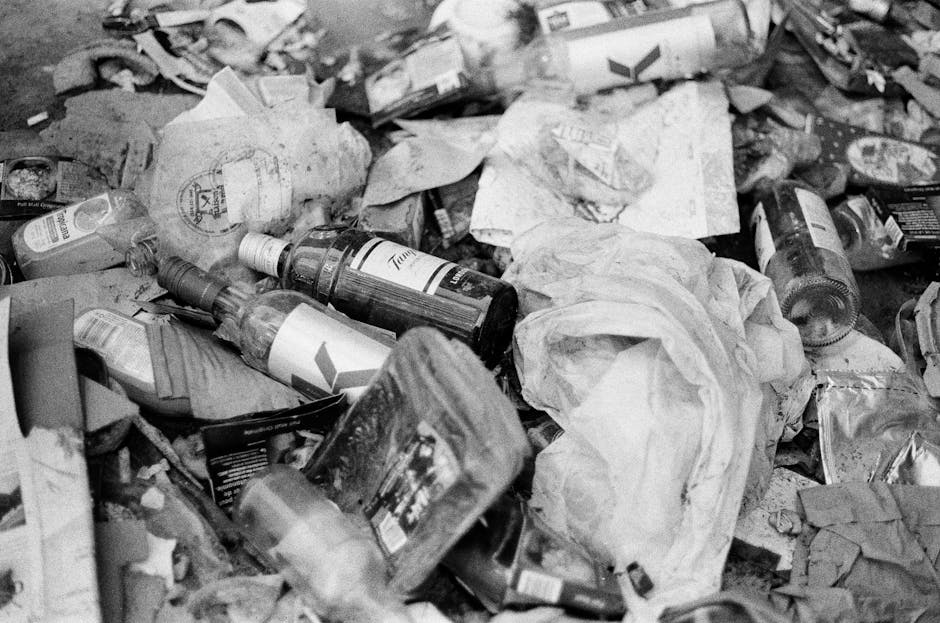
Common mistakes to avoid
Most event waste problems come from a handful of repeat mistakes. The good news is that they are all avoidable.
- Leaving waste planning until the last minute. This is the classic one. By then, there is no time to correct poor bin placement or missing bag supply.
- Mixing food waste with recyclables. Once contaminated, recyclable material can become much harder to manage properly.
- Assuming volunteers will "just know" what to do. They will not. And that is not their fault.
- Underestimating bulky waste. Decorations, packaging, display boards, and broken props can take up more space than expected.
- Not checking the site after dark or after the crowd leaves. Small litter often becomes visible only once people are gone.
- Forgetting access for collection vehicles or carrying routes. If bags have to be moved a long way, the clean-up gets slower and messier.
There is also a quieter mistake: thinking the waste plan is separate from the event plan. It is not. It is part of the same thing. The cleaner the system, the smoother the day.
Tools, resources and recommendations
You do not need a huge kit, but a few basic tools make rubbish collection much easier to control.
- sturdy bin bags in the right size
- clearly printed bin labels
- simple signage for visitors and vendors
- gloves for the clean-up team
- trolleys or sack trucks for moving waste safely
- extra ties or fasteners for securing bags
- a small stock of spare bins or liners
For organisers who want a broader understanding of how waste collection fits into local service planning, pricing and quotes can help you think about budgeting more realistically, especially if your event waste needs are likely to go beyond simple litter removal.
If security, handling, or site safety are concerns, it is also worth reviewing insurance and safety guidance before the event. Waste handling may seem minor, but slips, trips, sharp packaging edges, and overloaded bags are all everyday hazards if the site is busy.
And because waste collection often involves people, not just bins, a quick look at the company background can be useful when you are choosing a provider or deciding who you want responsible for the job. Reliability matters more than flashy promises.
Law, compliance, standards, or best practice
For local events, the safest approach is to treat waste handling as a formal responsibility, not an informal clean-up task. In the UK, organisers are generally expected to manage waste properly, avoid fly-tipping, use suitable carriers, and prevent waste from being left where it creates nuisance or safety risk. The exact obligations depend on the event type, the site arrangement, the scale, and who has agreed what with the venue.
Best practice usually means:
- keeping waste contained during the event
- separating recyclable and non-recyclable materials where practical
- making sure waste is transferred to a proper collection route
- avoiding contamination of the park or surrounding paths
- ensuring anyone removing waste is suitably authorised and competent
Where food and drink are involved, hygiene expectations rise quickly. Where temporary structures are involved, the waste becomes more complex. And where the event is open to the public, the need for clear signage and tidy collection points becomes even more important. The principle is simple: do not leave a mess for others to inherit.
For smaller organisers, the safest route is to keep the process boring in the best possible way. Simple bins. Simple labels. Simple collection plan. The more complicated the waste system, the more likely something goes wrong.
Options, methods, or comparison table
Different events call for different collection approaches. Here is a practical comparison to help you decide what fits your situation.
| Method | Best for | Strengths | Watch-outs |
|---|---|---|---|
| Standard bin-and-bag setup | Small community events and picnics | Simple, cheap, easy to brief | Can overflow quickly if footfall is higher than expected |
| Separate waste stations | Medium events with food vendors | Better recycling and cleaner site flow | Needs clearer signage and more monitoring |
| Scheduled collection during the event | Busy events with steady waste output | Prevents pile-ups and keeps appearance tidy | Requires stronger coordination |
| End-of-event bulk removal | Events with more setup than live waste | Good for a single final clear-down | Risky if the site fills faster than planned |
| Dedicated clearance support | Large, mixed, or awkward event waste | Useful for bulky or mixed materials | Needs proper planning and access coordination |
For many organisers, the sweet spot is a hybrid approach: standard bins for visitors, a separate waste point for vendors, and a final clearance plan for the leftovers. That tends to work well without becoming over-engineered.
Case study or real-world example
Picture a late-summer local event with food stalls, music, a children's activity area, and around a few hundred visitors across the afternoon. It starts quietly. Then lunch arrives, the queue grows, the wrappers multiply, and one corner near the seating area becomes noticeably busier than the rest.
In a situation like that, the organiser who wins is usually the one who thought about waste early. They have bins near food, a volunteer checking fill levels, and a clean-up plan ready for the final half-hour. The organiser who struggles usually has one bin by the entrance, three labels nobody can read, and a pile of napkins under a bench by 2pm. You can probably guess how that ends.
What works best in practice is not perfection. It is responsiveness. If a waste point is filling faster than the others, move attention there. If recycling is getting contaminated, simplify the signs. If a bag tears, replace it immediately. Small corrections keep the whole thing from sliding into chaos.
This is the kind of local-event problem that looks minor from a distance and then gets very real, very fast, once the crowd arrives and the wind picks up. A bit of planning saves a lot of back-and-forth later. Always.
Practical checklist
Use this as a quick pre-event and post-event check. It is plain, practical, and honestly worth printing.
- Have you estimated the likely waste volume?
- Have you separated general waste from recycling where practical?
- Are bins placed near the busiest parts of the event?
- Do your team and vendors know what goes where?
- Have you stocked enough bin liners and spare bags?
- Is there a person responsible for bin checks during the event?
- Have you planned the final collection or removal time?
- Do you know what to do with bulky or awkward items?
- Have you included a final site sweep in the end-of-day plan?
- Have you checked for litter in edges, corners, and under seating?
Quick summary: if your waste plan is simple, visible, and staffed, you are already ahead of most event organisers.
Get a free quote today and see how much you can save.
Conclusion
Gunnersbury Park rubbish collection rules for local events are really about common sense, planning, and respect for the space. If you treat waste as part of the event rather than the afterthought, everything gets easier: guests have a better experience, staff work more smoothly, and the park is left tidy for the next group.
Whether you are organising a modest local gathering or a bigger public event, the same principles apply. Know your waste streams, place bins properly, monitor them during the day, and arrange a proper clean-up at the end. It is not glamorous. But it is the difference between a well-run event and a frustrating mess.
If you are still at the planning stage, that is actually the best time to sort it. A little preparation now saves time, energy, and awkward conversations later. And that, as anyone who has managed an outdoor event will tell you, is a very good thing.
Let the event be remembered for the right reasons.
 Tipper Van - Waste Removal and Waste Clearance Prices in Acton, W3
 Luton Van - Waste Removal and Waste Clearance Prices in Acton, W3

